
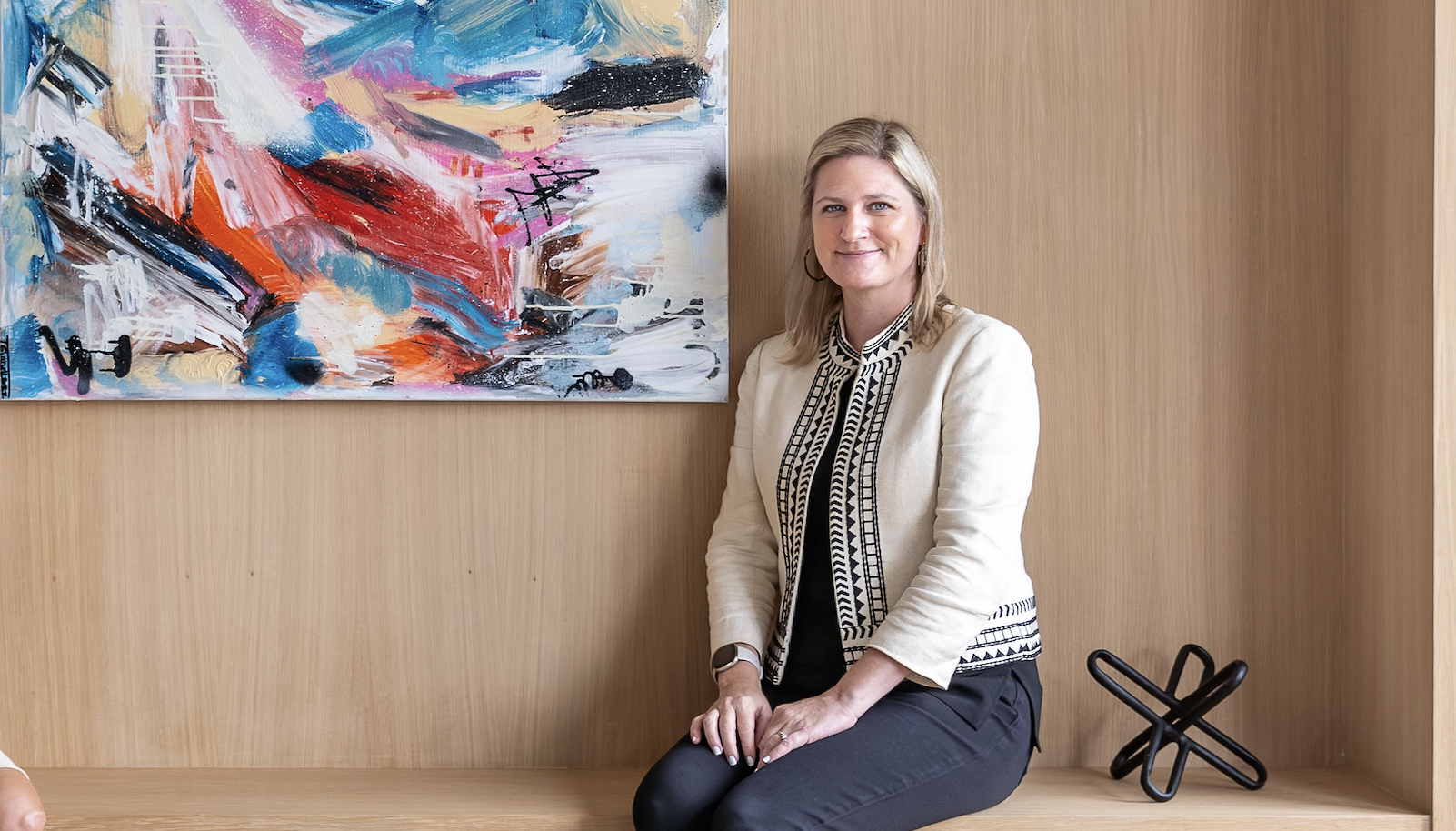
When you walk into a thoughtfully designed home, it’s easy to notice the beautiful finishes, custom details, and carefully selected furnishings. What’s less visible is the experience, collaboration, and creativity that shape every decision along the way.
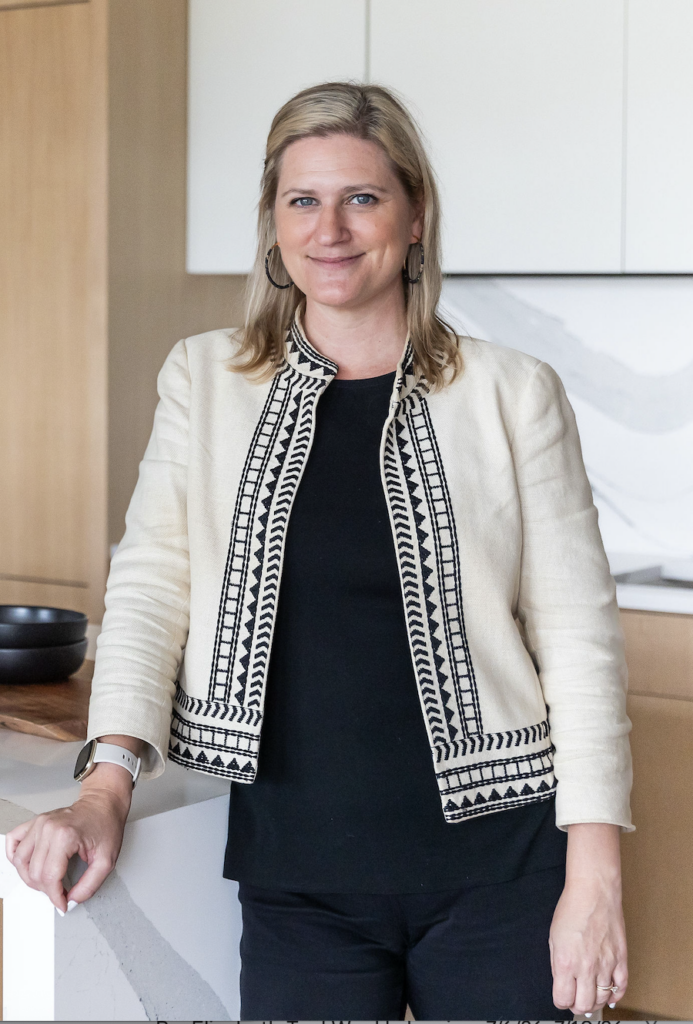
We sat down with Virginia, Principal Designer at Herringbone & Brass, to learn more about her path into design, the lessons she’s gathered throughout her career, and the philosophy that guides her work today. Below is our interview with her. Enjoy!
From Canvas to Interiors
I started out with a degree in Fine Arts, specializing in painting. What I loved most was the creative process, the freedom, expression and ability to translate emotions and ideas onto a canvas. That artistic foundation has stayed with me and continues to influence the way I approach design.
After graduating, I found myself looking for a career that would allow me to channel that creativity while also offering stability and the opportunity to connect with people. Interior design felt like a natural fit. It combined artistry with problem-solving and gave me the chance to create meaningful, personal spaces while building relationships with clients, contractors, trades and collaborators. That social aspect was important to me.
I do not feel like I have left the world of art behind. Instead, I traded the canvas for a home, using color, texture, light, and materials to tell a story and create environments that evoke emotion and enhance everyday life.
Seeing Interiors as Art
There is a real connection between painting and interiors. Painting evokes feelings, it evokes emotion. People collect art because it brings feeling into their homes and reflects them. I believe it is the same with interiors – people invest in their interiors because it’s a reflection of them and creates a place of joy.
That belief—that great design has the power to bring joy into someone’s home—has stayed with me throughout my career and continues to inform every project I undertake.
Learning the Craft
After earning my degree in Fine Arts and Painting, I went back to school to study Interior Design. In those early design courses, we started with hand drafting, and I immediately fell in love with it. I loved the connection of hand to paper and the ability to bring drawings to life through materials, color, fabrics, and paint selections.
There was something incredibly familiar about the process. It felt like an extension of my artistic training—drawing, working with my hands, and thinking visually. The precision of lines and measurements, combined with color theory, textiles, materials, and paint systems, created a beautiful balance between the artistic and the technical.
It was the first time I realized that creativity and problem-solving didn’t have to exist separately. Interior design allowed me to merge both worlds, combining artistic expression with technical knowledge to create spaces that are not only beautiful but also functional and deeply personal.
Furniture, People, and Understanding Color
Early in my career, I worked at Roche Bobois. My experience there really deepened my understanding of furniture design and client communication. I learned how furniture is built – how sofas are put together, what goes into crafting a bookcase, what goes into quality craftsmanship and how to work with people.
Being in a showroom, you see dozens of clients every day. You start to notice patterns – not just in what people like, but in how differently they perceive color. That was one of the most eye-opening things for me.
How people experience color is so different. As a designer, you must train your eye to understand how others see color and how they’re going to experience it in their home. That understanding becomes essential in luxury residential design.
The Importance of Construction Knowledge
After that, I moved into commercial design and worked at a design-build firm. The construction knowledge I gained there was invaluable.
Being on site and watching buildings come together from the ground up, completely changed how I design. I learn what works – not just in theory, but in practice. Wall thickness, bathroom curb detail construction, how kitchens are assembled and what happens behind the walls.
You learn things in school, but until you’re spending full days on the construction site, watching these things get done repeatedly, it becomes second nature.
Luxury Residential and Returning to My Roots
After working in the commercial world, I pivoted to working at luxury residential design studio in Boston for about 10 years. That period really shaped me. I deepened my understanding of fabrics, vendors, materials, color, and most importantly, people.
It also gave me the chance to return to furniture design, which was wonderful.
What I think I appreciated most during that time was the relationships. In the design industry, you build a community. Whether it’s the clients that you continue your relationship with, or the builders that you really respect and learn a lot from, they stay with you. The builders that I’ve created a great relationship with, I’ve worked with them on multiple projects for over 15 years. Millworkers become like family, along with vendors who help shape our final work.
That’s one of the most meaningful parts of this job.
Why No Two Days Are the Same
What I love most about interior design is the variety. No two days look the same. One moment you’re at your desk drawing, the next you’re on site with builders, then you’re meeting clients, then sourcing materials or reviewing fabrics with your team.
That constant movement keeps things interesting for me, and I really appreciate that balance.
The goal for me is always to create something timeless. Something that will stay with the family and grow with them for years. A place of comfort that the clients look forward to coming back to each day.
Building Long-Term Relationships
At Herringbone & Brass, I am most focused on relationships. The goal is to create spaces of joy and comfort for our clients, that they love to be in.
A big part of growing the studio is by evolving our understanding of people and their needs. We lean so hard into creating a timeless style for the individual client, so there is always growth in that aspect of our listening skills and our understanding skills.
We also truly value our network of artisans and trades. We work with a large number of people that we trust, and we trust our clients with. Keeping the group tight and trusted allows us to maintain quality and creativity while still growing.
A Dream Project
If I had to point to a dream project, I think we’re actually doing it right now.
It’s a ground-up home in Camden, Maine. There is something incredibly exciting about starting with nothing – it’s limitless. It allows us to fully use our imagination. I also love Maine, so it’s really special to be building a ground-up house in a state that I hold so near and dear.
We are working with wonderful clients who we’ve become close friends with through working with them in Boston, which makes the process even more meaningful. We are also collaborating with an architect that we love and have done a few projects with; in that sense it is kind of the perfect project. The project is also completely different from their home in Boston, so it allows us to rediscover an existing client.
On Trends and Timeless Design
I have a tricky relationship with trends. I’ve always been drawn to things that feel timeless—design choices that reflect you and that you’ll hopefully still love years from now rather than something that fades away.
I enjoy embracing natural materials like wood, stone, and marble. These materials require a little more care and attention, but I believe they’re worth it and create a timeless home. When you invest in quality, you’re not replacing them four or five years down the road. They age gracefully, develop character and tell a story over time.
These materials and objects become part of your home and part of your family. You care for them, preserve them, and live alongside them for many years. There’s something deeply meaningful about creating spaces with materials that grow more beautiful with age and reflect memories rather than needing to be replaced.
Looking Ahead
As Herringbone & Brass continues to grow, my goal remains simple: to create meaningful relationships and meaningful design.
The greatest compliment we can receive is when a client returns for a second project, whether it’s another home, a vacation property, or a new chapter in their lives. It means we’ve created a space that truly resonated with them.
Ultimately, great design isn’t just about creating beautiful rooms. It’s about listening, understanding, and crafting environments that bring comfort, joy, and a sense of belonging for years to come.

